
Manga vs Manhwa vs Manhua: Differences and Where to Start

You open a reading app, type "Solo Leveling," and somebody in the comments yells that it's "not manga, it's manhwa." Then another person says the thing you're reading is "actually manhua." Cool. Thanks. Now you're confused and behind on chapters.
I've been there, so let's sort it out once and for all. Short version: it's all comics. The difference is where they come from, how they're made, and how you read them.
The quick answer
Here's the cheat sheet before we go deeper:
- Manga comes from Japan. Traditionally read right to left, and usually black and white in print.
- Manhwa comes from South Korea. Read left to right, and very often full color with a vertical scroll.
- Manhua comes from China. Mostly left to right these days, often full color, and heavy on fantasy and cultivation stories.
Funny detail: the three words are basically the same word. They all use the same Chinese characters for "comics," just pronounced differently in Japanese, Korean and Chinese. So you're really saying "comics" in three languages.
Manga: the original page-turner
Manga is the one most of us started with. Think One Piece, Naruto, Frieren, Vagabond. It grew up in print, with chapters running in weekly or monthly magazines like Weekly Shonen Jump and later collected into volumes.
That print history shapes everything:
- Right to left. You start at the back of a printed book and read the page from the top right corner. It feels weird for about ten minutes, then it feels weird to read anything else.
- Black and white. Drawing for weekly deadlines means ink, screentones and a ridiculous amount of detail, not full color. Color pages usually show up as special chapter openers or covers.
- Page-based storytelling. Artists plan around the page turn. A big reveal often waits on the next page so you get that little gasp.
- Huge genre range. Shonen, shojo, seinen, josei, sports, slice of life, horror, romance. Whatever mood you're in, there's a shelf for it.

One Piece is a perfect example of what weekly manga can become when an artist just keeps going: pages so packed you could stare at one for an hour.
Manhwa: built for your thumb
Manhwa is the Korean word for comics. Older manhwa was printed much like manga, but the thing most people mean today is the webtoon: a comic designed to be read on a phone.
Korean portals like Naver and Kakao pushed digital comics hard in the 2000s, and the format that came out of it is what you see now:
- Vertical scroll. No pages. One long strip that you swipe through. Artists use empty space to control pacing, so a long drop of blank panel can make a moment hit harder.
- Full color. Because it's made digitally, color is the default, and the art is often polished like a mini animated film.
- Left to right. Same as English, so there's no adjusting.
- Binge-friendly chapters. Short episodes, regular updates, and cliffhangers that make "one more chapter" a lie you tell yourself at 2 AM.

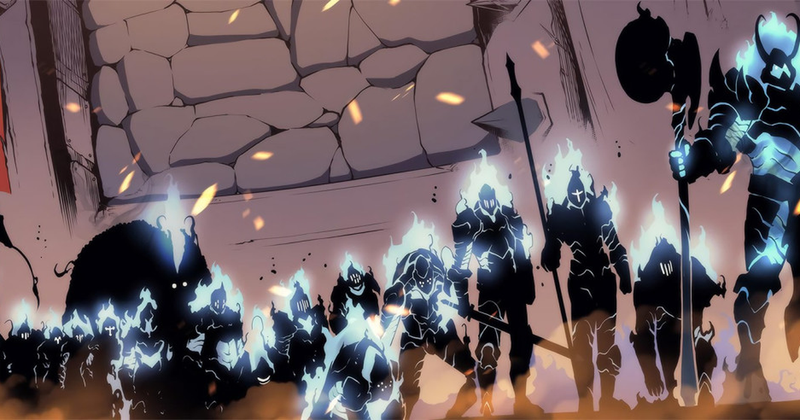
Popular examples include Tower of God, Lookism and Solo Leveling. Solo Leveling started life as a Korean web novel and became a hit comic, and it's a big reason power-fantasy manhwa blew up worldwide.
Genre-wise, manhwa loves a few things: leveling systems, dungeons and hunters, revenge and regression stories, school drama and romance fantasy. If a story begins with "I woke up and I can see my stats," odds are it's Korean.

Manhua: cultivation, swords and slow-burn drama
Manhua is the Chinese term for comics (it covers Hong Kong and Taiwan too). It's the youngest of the three in the global spotlight, but it's growing fast.
A lot of modern manhua follows the webtoon model: full color, vertical scroll, made for phones. Older and print releases can look different, and some older titles read right to left, so you can't treat the format as a hard rule. That's honestly true for all three, by the way. Origin and format overlap, but they aren't the same thing.
What makes manhua stand out is the stories:
- Xianxia and cultivation. Heroes train to become immortal, climb sect rankings and fight over spiritual resources.
- Wuxia. Martial artists, honor codes and sword duels.
- Webnovel adaptations. Many popular manhua are comic versions of long Chinese web novels, so the plots run deep.
- Danmei and romance. Titles like Heaven Official's Blessing and Mo Dao Zu Shi, both based on novels by Mo Xiang Tong Xiu, found a big audience far beyond China.

The art is often gorgeous, with flowing robes, glowing energy and lots of atmosphere. Pacing can be slower, and series tend to run long, so settle in.
So what's actually different?
If you want one quick comparison, here it is in plain words:
- Country: Japan, Korea, China.
- Reading direction: right to left for manga, left to right for most manhwa and manhua.
- Color: manga is mostly black and white. Manhwa and manhua are usually full color online.
- Layout: manga uses pages. Manhwa and manhua are often one long vertical strip.
- Vibe: manga has the widest range, manhwa leans into power fantasy and drama, and manhua leans into cultivation and epic fantasy.
None of these is better. They're just different tools, and honestly the best readers I know bounce between all three.
Where to start with each one
Okay, here's the part you actually came for. Pick based on your taste, not on the label.
If you want manga:
- Frieren: Beyond Journey's End if you want something quiet, funny and weirdly moving.
- One Piece if you want a huge adventure and have time to commit.
- Vagabond if you love gritty, beautifully drawn samurai stories.

If you want manhwa:
- Solo Leveling for the classic power fantasy.
- Tower of God if you like mysteries, rules and a world that keeps getting bigger.
- Lookism if you want school drama and fights.
If you want manhua:
- Heaven Official's Blessing for romance, mythology and a lovely sense of humor.
- Mo Dao Zu Shi if you want mystery, music and a tragic-but-hopeful story.
My honest tip: start with the genre you already like, then jump formats. Loved Solo Leveling? Try a cultivation manhua next. Into Death Note? A dark seinen manga or a thriller manhwa will scratch the same itch.
Reading them without the language wall
The annoying part is that tons of great series never get an official English release, or they take years to arrive. That's where IsManga comes in. It's built for reading manga, manhwa and manhua with AI translation, through a browser extension, an Android app or an iOS app, so you can keep reading on the sites you already use. You can check the features page and the list of supported languages to see what works for you.
Not sure what to read next? Try the recommendations page, or ask our assistant on Discord, which we wrote about in this post. Tell it your mood and it'll point you at something from any of the three worlds.
So next time someone corrects you in the comments, you can nod, smile and say "sure, but have you read it?" Now go pick your first chapter.


